
Cruden Bay Railway Station and Tramcar
Welcome to the fascinating story of Cruden Bay Railway Station
Born from an ambitious late-Victorian vision by the Great North of Scotland Railway to transform a quiet fishing village into the luxurious “Brighton of the North,”
this station once served as a bustling gateway for affluent tourists and prominent public figures. For decades, it seamlessly connected travellers from the main rail network directly to the opulent Cruden Bay Hotel via a pioneering electric tramway, marking a true golden age of Aberdeenshire coastal tourism.
However, the story of this railway is also one of dramatic change. As the 20th century progressed, the rise of the automobile, wartime pressures, and a devastating station fire in 1931 forever altered its fate, ultimately leading to the cessation of passenger services and the eventual lifting of its tracks. Yet, the spirit of the railway has never entirely faded from the Buchan coast. Today, a passionate modern movement backed by overwhelming public support is fighting to restore these historic rail links, hoping to breathe new life into the region’s transport network.
As you read down this page, you will embark on a reverse-chronological journey through the complete lifespan of Cruden Bay Railway Station. Starting with the contemporary campaigns for reinstatement, we will step backwards in time to explore its quiet final years as a freight depot, the tragic inferno that hastened its demise, its glamorous peak as a premier holiday destination, and finally, its monumental construction and opening in 1897.
Scroll down to uncover the rise, fall, and potential future of this captivating piece of local railway heritage.

Image created by Cruden Bay Life

Image created by Cruden Bay Life
Construction and Opening of the Railway (1897)
In the late 19th century, the Great North of Scotland Railway (GNSR) embarked on an ambitious project to unlock the tourism and economic potential of the Aberdeenshire coast.
The station’s infrastructure was built to a very high standard, befitting the GNSR’s grand plans for the area. A notable feature of the new station was its distinctive Type 3a signal box, installed in the opening year of 1897. This attractive, all-wood cabin featured horizontal boarding, a hipped roof with a sizeable overhang, and six-pane windows. To give it an elegant finish appropriate for a burgeoning resort station, the roof was beautifully adorned with terracotta finials and ridge tiles.
The opening of the station in 1897 laid the essential groundwork for Cruden Bay’s impending golden age. Without this vital rail link, the subsequent construction of the lavish Cruden Bay Hotel and its pioneering electric tramway just two years later would have been impossible. For the first time, tourists could effortlessly reach the spectacular sandy beaches and rugged cliffs of the Buchan coast.
This vision culminated in the construction of the Boddam branch line, also known as the Crudens Railway, which extended from a junction at Ellon. Building the railway through this rugged, sparsely populated terrain was a highly expensive endeavour, but the GNSR was determined to transform the quiet fishing community into a luxurious seaside resort.
The Cruden Bay railway station officially opened to both passenger and goods traffic on August 2, 1897. The arrival of the railway marked a monumental shift for the local community, finally providing a direct, fast connection to Aberdeen and the broader United Kingdom, while shifting the local economy from traditional fishing toward tourism.
The Golden Age of Tourism and the Hotel Tramway (1899–1930s)
The turn of the 20th century heralded a glamorous era for Cruden Bay, driven by the Great North of Scotland Railway’s (GNSR) ambitious vision to transform the quiet fishing village into the “Brighton of the North”. To attract affluent holidaymakers, the GNSR constructed the magnificent Cruden Bay Hotel, which opened in March 1899. Built from striking pink Peterhead granite in a romantic Scottish Baronial style, the lavish 55-room resort overlooked the bay and boasted a championship 18-hole golf course designed by Old Tom Morris.
To ensure guests enjoyed a seamless transition from the railway to their luxury accommodation, the GNSR built a pioneering 3-foot 6-inch gauge electric tramway. Fully electrified by June 1899, this mile-long line connected the Cruden Bay railway station directly to the hotel’s front door. It held the unique distinction of being the most northerly tramway service in the United Kingdom. Powered by a dedicated 500-volt DC overhead line, the service utilised two elegant single-deck tramcars, each finished in a striking purple lake and cream livery with “Cruden Bay Hotel” painted on the rocker panels.
During this golden age, the station was a bustling gateway for the elite. Hotel guests enjoyed complimentary tram rides, with their baggage efficiently transported on the cars’ extended platforms.
The opulent resort quickly became a favoured retreat for prominent figures, including Winston Churchill and British Prime Ministers H. H. Asquith and David Lloyd George.
Throughout the 1900s and 1920s, special railway excursions regularly delivered high-society tourists and eager golfers directly to the links, defining a vibrant chapter of prosperity before the changing travel habits of the 1930s altered the village’s fate.

Image created by Cruden Bay Life

Image created by Cruden Bay Life

Image created by Cruden Bay Life

Image created by Cruden Bay Life
From Hatton Garden Relic to Museum Showpiece: The Revival of Alford’s Historic Tram
When redundant tramcars were retired from service, many of their wooden bodies were sold off for scrap or repurposed as quirky, inexpensive outbuildings. Stripped of their wheels, running gear, and electrics, they quietly vanished into private landscapes across the country.
The two images below capture a remarkable journey of rescue, salvage, and master craftsmanship—tracing how discarded remnants were revived into the stunning exhibit now on display at the Grampian Transport Museum in Alford.
Having found a second life as a garden summerhouse, the carriage weathered the Aberdeenshire climate beneath greenery. While exposure took a toll on its exterior, its core structure and historic details survived intact beneath peeling paint.
Recognising the historical value of the relic before it deteriorated beyond repair, museum conservators and volunteers stepped in to rescue it. By uniting salvageable timber, ironwork, and fittings from the carriage with parts from a second donor ruin, craftspeople painstakingly rebuilt a pristine, period-accurate vehicle.
Today, gleaming in its authentic livery, the display celebrates how forgotten relics can be brought back to life for future generations.

The Hatton Summerhouse
-
Image 1: Shows the dilapidated tramcar during its decades spent in a private garden in Hatton.

The Restored Masterpiece at Alford
-
Image 2: Reveals the meticulously restored tramcar standing proudly inside the Alford Transport Museum.
The Final Years and Closure to Freight (1932–1945)
By the early 1930s, the Cruden Bay railway station faced insurmountable challenges. The rise of motor car travel and the high costs of maintaining the Boddam branch line through sparsely populated terrain led to a severe decline in passenger numbers. Consequently, passenger rail services to Cruden Bay, along with the connecting passenger tramway, were officially terminated on October 31, 1932. Although the line was initially closed just for the winter season, the London and North Eastern Railway (LNER) never restarted the passenger service. Instead, remaining hotel guests were transported directly from Aberdeen using an LNER-owned Rolls-Royce.
Despite the loss of passenger traffic, the station and tramway were not entirely abandoned. They remained operational for freight, maintaining a vital link for the delivery of coal, general supplies, and laundry. However, the onset of World War II drastically altered the village’s landscape. The hotel tramway ceased operations entirely on December 31, 1940, and its metal rails were eventually dismantled and scrapped for the war effort. In March 1941, the British government requisitioned the Cruden Bay Hotel for military purposes, converting it into a hospital and training centre for units such as the Gordon Highlanders.
The railway line continued to handle essential goods until it was permanently closed to all freight traffic on November 7, 1945. The tracks throughout the branch were subsequently lifted in 1950. Today, physical echoes of the railway’s past can still be found at the site.
A council depot was built over the former goods yard, but the original station platforms and the base of the water tower remain visible, standing as quiet monuments to Cruden Bay’s railway heritage.

Image created by Cruden Bay Life
The Devastating Station Fire (1931)

Image created by Cruden Bay Life
The early 1930s marked a tragic and irreversible turning point for the Cruden Bay railway station, highlighted by a sudden catastrophe that forever altered its physical appearance and operational capacity.On April 23, 1931, a massive fire broke out and devastated the station. This blazing inferno made headlines in publications like the Dundee Courier and effectively destroyed much of the station’s original infrastructure.
The aftermath of the fire left a starkly different scene from the bustling, elegant resort gateway that had welcomed affluent tourists just a couple of decades prior. Photographic evidence from the 1930s reveals the harsh reality of the damage: the fire completely wiped out the buildings on the up platform, and the protective station canopy on the down platform was lost entirely. Furthermore, the station’s footbridge was destroyed and the signalling system had to be significantly rationalised. Rather than fully funding a comprehensive rebuild of the grand original structures, an old passenger coach was brought in and repurposed as a makeshift store on the surviving platform.
The timing of this disaster was particularly cruel for the Cruden Bay station. The Boddam branch line was already facing severe economic pressures due to the rising popularity of motor car travel and the prohibitive costs of maintaining the railway through sparsely populated terrain. The 1931 fire acted as a grim catalyst for the station’s decline, stripping away its visual charm and passenger amenities. Just over a year after the station was gutted by the flames, all passenger rail services to Cruden Bay were permanently terminated on October 31, 1932. The fire essentially reduced a premier holiday hub into a basic, skeletal stop that would soon only cater to freight.
Modern Campaigns for Railway Reinstatement
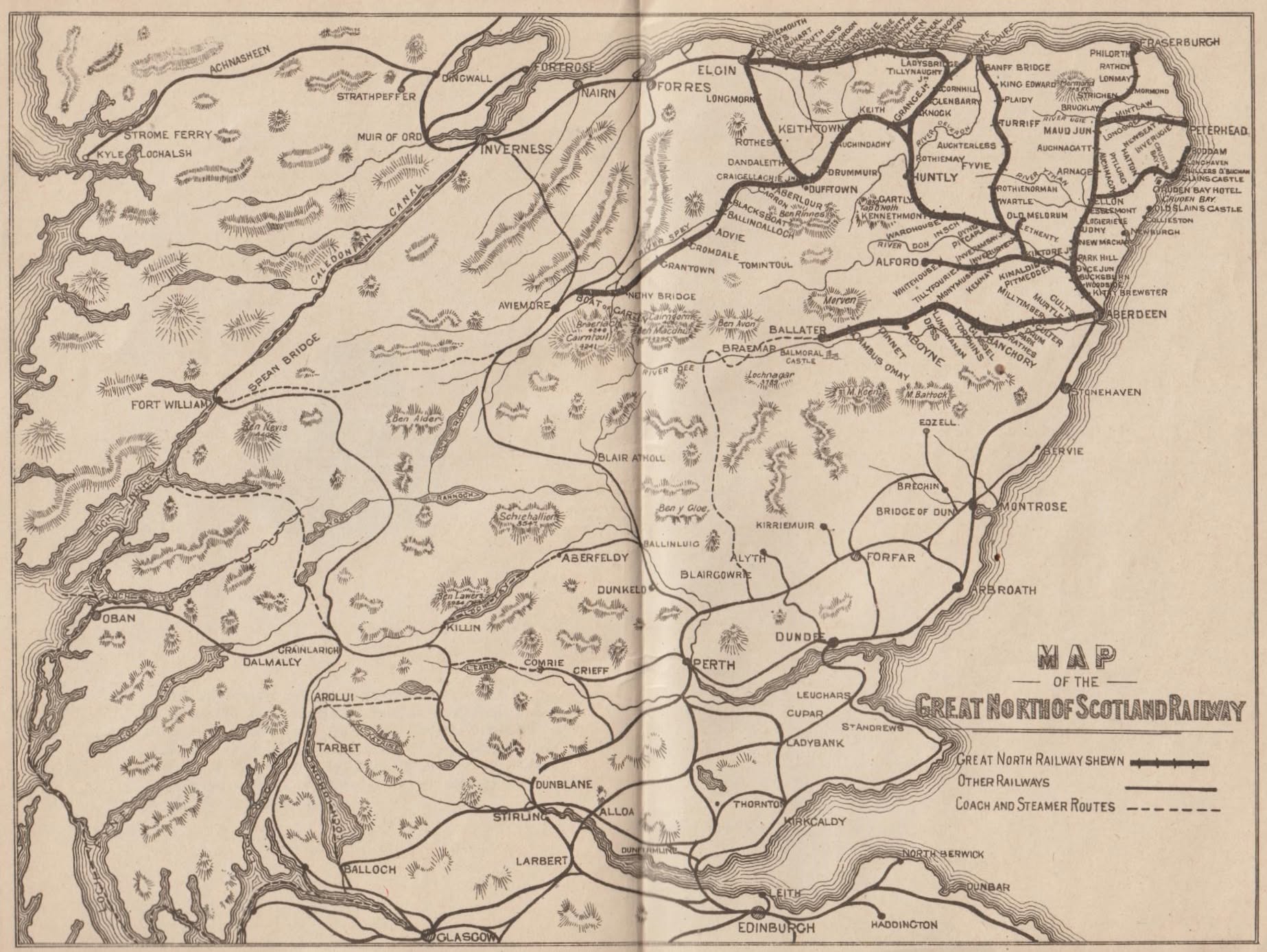
The towns of Peterhead and Fraserburgh currently hold the unfortunate title of being the largest towns in the United Kingdom that remain entirely disconnected from the national rail network. However, a vibrant modern campaign is fighting to change that, aiming to breathe new life into the historic routes that once connected these coastal Aberdeenshire communities to Aberdeen.
Recent polling commissioned by the Aberdeen & Grampian Chamber of Commerce and True North Advisors reveals overwhelming public backing for the restoration of the Buchan railway. A survey of over 1,300 people across Aberdeen and Aberdeenshire showed that 78% of respondents support the reinstatement of the line to Ellon and Peterhead, while 76% firmly back restoring the connection to Fraserburgh.
Business leaders and local campaigners argue that for too long, significant infrastructure gaps have held back the region’s economic potential. Russell Borthwick, Chief Executive at the Aberdeen & Grampian Chamber of Commerce, emphasizes that the region needs to be “better connected, easier to move around, and fit for the future”. Advocates point to the undeniable success of similar rail reinstatement projects elsewhere in Scotland, such as the Borders Railway and the Levenmouth link in Fife, proving what can be achieved with public support and a solid business case.
Reopening these vital rail links is seen as a crucial step for the North-east’s future. Jordan Jack, General Secretary of the Campaign for North East Rail, notes that reconnecting Fraserburgh, Peterhead, and Ellon would revitalize local economies, particularly as the region navigates the vital transition to renewable energy.
With major political parties taking notice of the movement, campaigners are actively urging the Scottish Government to act decisively, hoping to soon see “spades in the ground” to bring the railway back to Buchan.

Image created by Cruden Bay Life

So, have you been paying attention?
Principal Sources
- Huge public backing to reinstate Aberdeen to Peterhead and Fraserburgh railway: Supplied contemporary polling data for rail reinstatement
- The Last Train To Cruden Bay – 1932: Highlighted economic pressures causing the line’s closure
- Cruden Bay railway station – Wikipedia: Verified the exact opening date and 1931 fire
- Cruden Bay Hotel – Grokipedia: Detailed the resort vision and WWII requisitioning
- Cruden Bay Hotel Tramway – Wikipedia: Supplied technical details of the electric tramway
- Cruden Bay Hotel & Tram Page: Corroborated freight operations and post-fire station rationalisation
- Building Dates and Types of GNSR Signal Boxes 1: Provided architectural specifics of the signal box
- cruden line: Confirmed timelines for passenger and goods closures
- Bullers O’Buchan Platform railway station – Wikipedia: Supplied operational context for the branch line
- Port Erroll Conservation Area Appraisal: Offered historical context on the village’s evolution
- Cruden Bay Hotel Tramway Uniform: Provided insights into tramway staff and operations
Image References
About Cruden Bay Life
Cruden Bay Life is a digital storytelling project celebrating the history, folklore and landscapes of northeast Scotland. Our articles combine historical research, local tradition, original photography, AI-assisted artwork, music and modern storytelling techniques to bring forgotten stories to life.
Where historical evidence is incomplete, we clearly distinguish documented fact from local tradition and informed interpretation. We welcome constructive feedback and are always happy to correct genuine factual errors as new information becomes available.
Learn more about how we research and create our stories. Click here →